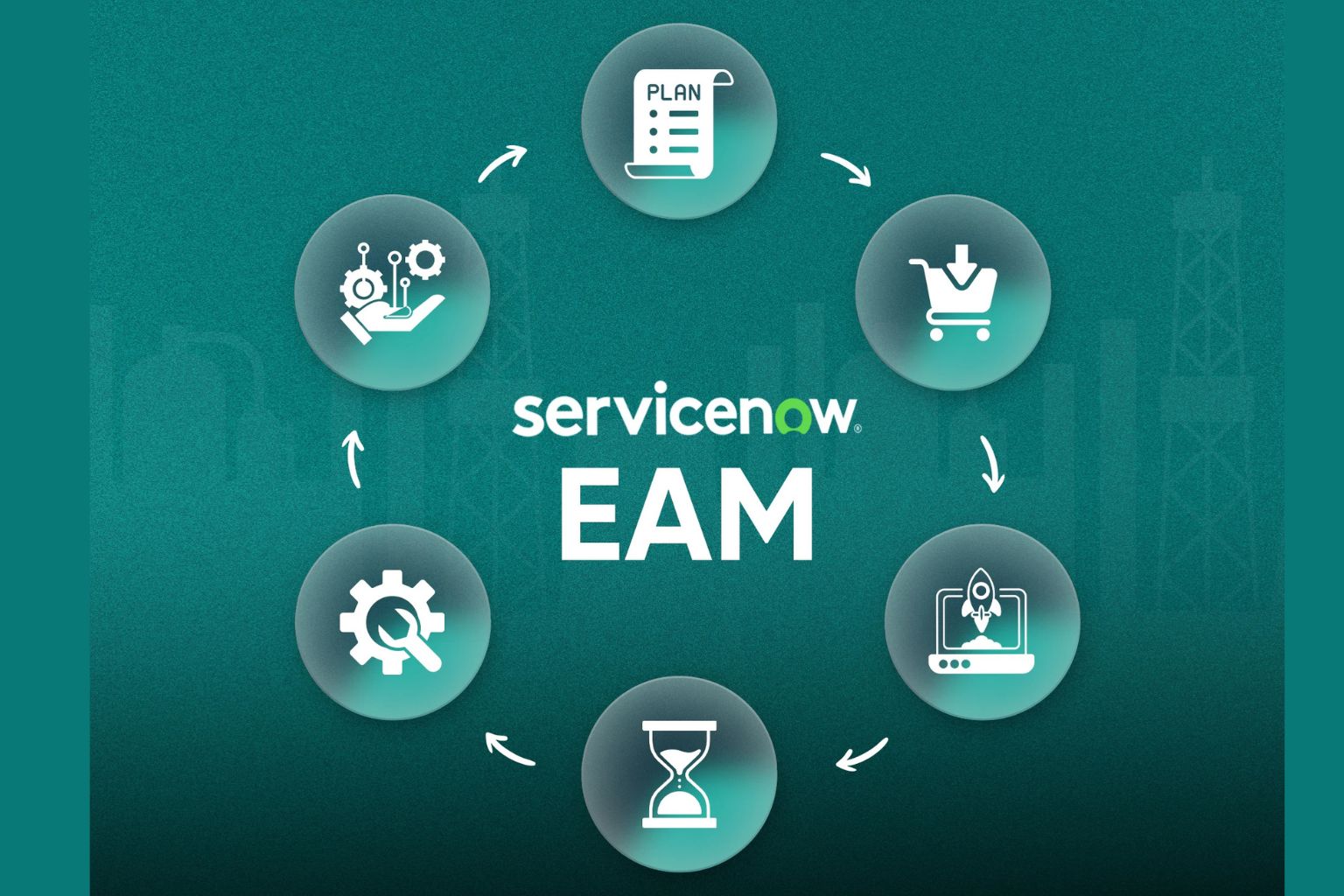

Ao trabalhar com ServiceNow Discovery e CMDB, uma das principais lições que surgem na prática é que Discovery não deve ser tratado como uma funcionalidade isolada da plataforma. Na realidade, ele é um componente estrutural que impacta diretamente módulos como Hardware Asset Management (HAM), Software Asset Management (SAM) e processos críticos de governança de TI.
Muitas implementações começam tratando Discovery apenas como uma ferramenta de varredura de infraestrutura. Porém, sem uma arquitetura bem definida, o resultado costuma ser uma CMDB com dados inconsistentes, duplicidade de Configuration Items (CIs) e baixa confiabilidade histórica.
Uma implementação madura de Discovery precisa estar alinhada à arquitetura da CMDB, garantindo que os dados coletados realmente sustentem decisões operacionais e estratégicas ao longo do tempo.
Discovery não é apenas descoberta de infraestrutura
Um erro comum em projetos de ServiceNow é habilitar Discovery antes de definir o modelo de dados da CMDB. Assim, quando isso acontece, a ferramenta começa a inserir registros sem critérios claros de qualidade.
Para evitar esse problema, é essencial definir previamente:
- Classes de Configuration Items
- Atributos obrigatórios
- Relacionamentos necessários
- Estratégias de identificação
- Regras de governança de dados
Sem essa estrutura, o Identification and Reconciliation Engine (IRE) passa a operar sem critérios consistentes, o que pode gerar duplicidade de registros ou sobrescrita incorreta de atributos.
A importância de uma estratégia de identificação
Em ambientes corporativos mais maduros, a identificação de um CI não depende de apenas um atributo. Normalmente, utiliza-se uma combinação de chaves técnicas para garantir precisão.
Entre os identificadores mais comuns estão:
- Hostname
- Serial Number
- UUID
- MAC Address
- Cloud Instance ID
Cada um desses atributos possui validade em contextos específicos. Por exemplo, o serial number é mais confiável para hardware físico, enquanto o instance ID é essencial em ambientes cloud.
Uma estratégia de identificação bem definida garante que o IRE consiga reconciliar corretamente os dados descobertos, evitando duplicidades na CMDB.
Discovery orientado a relacionamentos
Outro ponto crítico é entender que Discovery não deve focar apenas em CIs individuais. O verdadeiro valor da CMDB surge quando os componentes da infraestrutura estão conectados por relacionamentos consistentes.
Alguns relacionamentos fundamentais incluem:
- Runs On – aplicações executando em servidores
- Hosted On – máquinas virtuais hospedadas em hypervisors
- Depends On – dependências entre aplicações e bancos de dados
Sem esses relacionamentos, os CIs tornam-se apenas registros isolados, com pouco valor para análise de impacto, gestão de mudanças ou governança.
Governança contínua da CMDB
Mesmo com uma arquitetura bem definida, a qualidade dos dados depende de governança contínua.
Isso inclui:
- Auditorias periódicas da CMDB
- Revisão das regras de identificação
- Validação de relacionamentos
- Monitoramento da qualidade dos atributos
Esse processo garante que Discovery continue sustentando dados confiáveis ao longo do tempo, mesmo com mudanças na infraestrutura.
Conclusão
ServiceNow Discovery não deve ser tratado apenas como um mecanismo de descoberta de infraestrutura. Ele é um componente fundamental da arquitetura da CMDB e da governança de dados da plataforma.
Quando orientado por arquitetura, identificação consciente, relacionamentos consistentes e governança contínua, Discovery deixa de ser apenas um coletor de dados e passa a sustentar decisões confiáveis dentro da operação de TI.
Artigo produzido por Bruno Ferreira, Diretor Técnico da 4MATT.

Bruno Ferreira iniciou sua a carreira profissional na área de Tecnologia da Informação em 2002. No mesmo ano ingressou no curso de Ciência da Computação. Desenvolveu seu skill técnico em tecnologias Microsoft entregando complexos projetos focados em serviço de diretório, mensageria e colaboração. Em 2012, passou a se dedicar exclusivamente a disciplina de gestão de ativos de software (SAM – Software Asset Management). Trabalhando há mais de 10 anos com o tema, está fortemente engajado em ajudar Clientes e Parceiros a alcançarem a governança de software on premises ou nuvem.
Possui certificações vigentes e reconhecidas pelos principais fabricantes de plataforma de gerenciamento de nuvem (CMP – Cloud Management Plataform) e SAM. Os treinamentos e certificação que realiza anualmente pela IAITAM – International Association of Information Technology Asset Managers o mantém atualizado e habilitado para gerenciar ativos de TI em organizações de todos os tamanhos e setores em todo o mundo.